
How to Get Ink Stains Out of Clothes from Pens & Markers
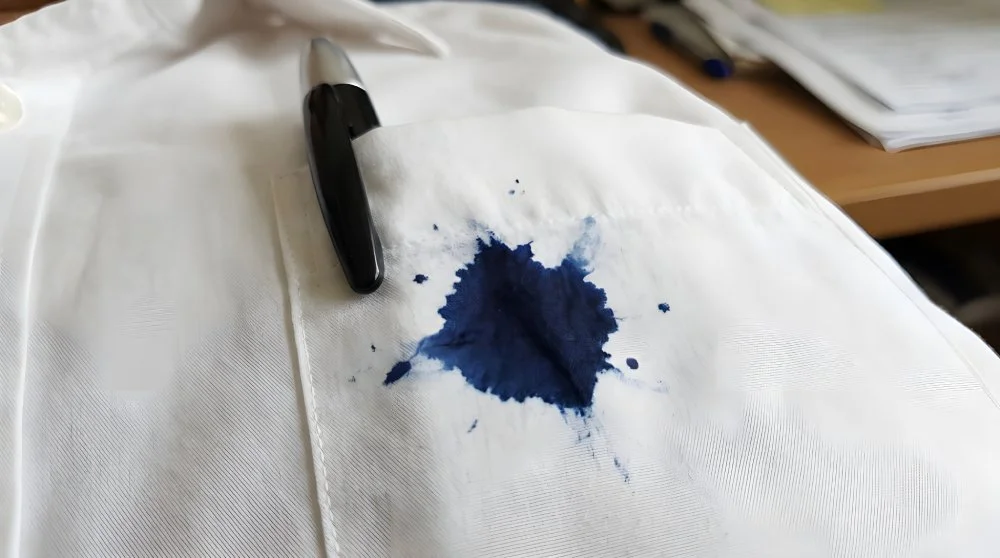
Learning how to get ink stains out of clothes can help you act quickly when a pen leaks in a pocket, a marker slips during schoolwork, or ink marks appear on a work shirt. Fast action matters because ink can spread, bleed, or sink deeper into fabric when it is rubbed or treated with the wrong product.
Some ink stains can be treated safely at home, especially on washable cotton or polyester. But permanent ink stains, gel ink stains, leather, silk, wool, cashmere, and dry-clean-only garments need more care. That is where Hometown Cleaners can help.
Hometown Cleaners helps South Florida customers with laundry services, green dry cleaning, stain care, and free pick-up and delivery. If you are unsure what to do, blot gently, avoid heat, and let a professional inspect the fabric before the stain becomes harder to remove.
Ballpoint, Gel, and Permanent Ink Stains: How Each Type Behaves on Fabric
Not all ink pen stains are the same. The type of ink affects how it spreads, how deeply it bonds with fibers, and whether at-home care is safe.
Ballpoint ink stains are usually oil-based. They may look small at first, but they can cling to fabric and often need more than soap and water. On washable cotton or polyester, you may be able to blot the stain and test a small amount of rubbing alcohol.
Gel ink stains can be more difficult because gel ink often contains strong pigments. When wet, gel ink may spread quickly and create a larger mark. Too much water can make the stain worse.
Permanent ink stains are the most difficult. Permanent markers are designed to resist water and stay in place. That makes them useful for labeling items but risky on clothing.
At home, the safest first step is to blot the ink gently with a clean white cloth. Do not scrub, soak, or use hot water. Never apply random stain removers, bleach, hairspray, or multiple products together.
If the item is delicate, expensive, sentimental, lined, structured, or marked dry clean only, stop after blotting. Bring it to Hometown Cleaners so the stain and fabric can be reviewed before treatment.
How to Use Rubbing Alcohol For Ink Stains
Rubbing alcohol for ink stains can help on some washable fabrics, but it is not safe for every garment. It may lift ink, but it can also remove dye, leave rings, or damage delicate fibers.
Only try this method on washable cotton, polyester, or sturdy blends that do not say dry clean only. Before treating the stain, test a hidden area such as an inside seam. If color transfers to the cloth, stop.
Use these steps:
Place a clean white towel under the stained area. Dab a small amount of rubbing alcohol onto a white cloth or cotton swab. Blot the ink gently. Move to a clean part of the cloth as ink transfers. Replace the towel underneath if it absorbs ink. Rinse with cool water only if the care label allows it. Wash as directed, then air dry and check the stain before using heat.
Do not pour rubbing alcohol directly onto the stain. Do not scrub. Do not use rubbing alcohol on silk, wool, cashmere, rayon, acetate, leather, suede, beaded garments, or clothing with special finishes.
If the ink does not lift quickly, stop. Repeated rubbing can spread ink and weaken the fabric. Hometown Cleaners can inspect the garment and recommend laundry services, green dry cleaning, or specialty stain treatment based on the fabric and stain type.
Ink Stain Removal for Cotton, Silk, and Delicate Fabrics
Ink stain removal depends heavily on the fabric. A method that works on a cotton T-shirt may damage a silk blouse, wool sweater, or formal dress.
Cotton is often the safest fabric for at-home care. If the garment is washable, you can blot the stain, test rubbing alcohol, and wash only after the ink begins to lift. Polyester and common blends may also respond to careful blotting, but they should still be tested first.
Silk needs professional care. Water can leave rings, rubbing can damage the surface, and alcohol can remove color or change the finish. If ink gets on silk, blot lightly with a dry white cloth and stop.
Wool and cashmere should never be scrubbed or soaked. Moisture, heat, and friction can shrink, stretch, or distort the fibers. Ink can also move deeper into the yarn.
Rayon, viscose, acetate, velvet, lace, and embellished garments are also risky at home. These fabrics can weaken, spot, or change texture when treated with water or alcohol.
For delicate fabrics, the safest home step is simple: blot lightly, keep the stain dry, and avoid products. Then schedule service with Hometown Cleaners. Professional care matters because delicate fabrics need controlled cleaning methods that protect the garment while addressing the ink marks.
How to Clean Ink Stains and Ink Marks After They've Dried
Dried ink is harder to remove than fresh ink because it has had time to bond with the fibers. Still, some washable items may improve with careful treatment.
Here is how to clean ink stains after they dry on washable fabric: place a clean towel under the stain, test rubbing alcohol on a hidden seam, dab the dried ink with a small amount of alcohol, blot, pause, and replace the towel as ink transfers. Rinse with cool water only if the label allows it. Wash according to the care label and air dry only.
You can repeat the process once if the stain improves. Do not keep treating the same spot again and again. Too much rubbing alcohol can fade color, weaken fibers, or spread the mark.
Ink mark removal is much harder if the garment has already gone through the dryer. Heat can set the stain and make removal less predictable.
Never use bleach unless the fabric is white, bleach-safe, and the care label allows it. Even then, bleach may not remove ink well and can cause yellowing or fiber damage. Never mix cleaning products.
If dried ink does not lift after one careful attempt, stop and bring the garment to Hometown Cleaners. Professional stain care gives the fabric a better chance than repeated DIY attempts.
How to Get Ink Off Leather, White Clothes, and Other Tricky Surfaces
Some surfaces need extra caution. Leather, white clothes, uniforms, and household fabrics can all react badly to the wrong treatment.
How to get ink off leather
Leather should not be treated like washable fabric. Do not use rubbing alcohol, hairspray, water, detergent, vinegar, or household stain removers on leather clothing, handbags, jackets, or trim. These products can strip color, dry the leather, damage the finish, or leave a larger mark.
At home, blot gently with a dry white cloth. Do not press hard and do not rub. Then bring the item to Hometown Cleaners for professional review.
White clothes
White clothes can make ink stains look worse, but bleach is not always the answer. Ink can spread when harsh products are added too soon.
For washable white cotton, blot first and test rubbing alcohol in a hidden spot. Treat from the back of the stain when possible so ink moves out of the fabric instead of deeper into it. Avoid hot water and machine drying until the stain is gone.
Uniforms, shirts, and workwear
Ink pen stains on uniforms and work shirts are common. A leaking pen in a pocket can leave a dark mark fast.
For washable shirts, blot and test before treating. If the shirt is part of a uniform set, work wardrobe, or professional outfit, Hometown Cleaners can help with laundry services and stain treatment so the item is cleaned with care.
Household fabrics
Ink on upholstery, rugs, drapery, or bedding can spread if soaked. Blot only. Do not scrub. If the item is large, lined, delicate, or hard to rinse, professional care is safer.
Professional Dry Cleaning for Ink Pen Stains That Won't Come Out
Professional dry cleaning is the best choice when ink pen stains are large, dried, permanent, or on delicate fabric. It is also the right choice when the item is expensive, sentimental, structured, lined, or marked dry clean only.
Call Hometown Cleaners if the stain is from permanent marker or gel ink, the ink has dried or gone through the dryer, or the fabric is silk, wool, cashmere, rayon, velvet, lace, leather, or suede. You should also stop and bring the item in if it is a suit, dress, blouse, jacket, uniform, formal garment, or anything with lining, trim, pleats, beads, or special finishing.
Professional care matters because ink removal requires testing the fabric, dye stability, stain type, and any previous treatment. A wrong step can spread the ink, cause color loss, or damage the garment.
Hometown Cleaners has served South Florida families and professionals since 1960. Our team can inspect the stain and help decide whether laundry services, green dry cleaning, or specialty cleaning is the right fit.
Free pick-up and delivery also makes stain care easier. Use the pickup form to schedule service, or contact us today for help with ink marks on clothing, leather, uniforms, or household fabrics.
The safest approach for how to get ink stains out of clothes is to blot fast, avoid heat, test before treating, and stop before the stain spreads. For permanent ink stains, dried ink, leather, and delicate garments, Hometown Cleaners can help protect the fabric while treating the mark.