
How to Remove Laundry Detergent Stains from Clothes
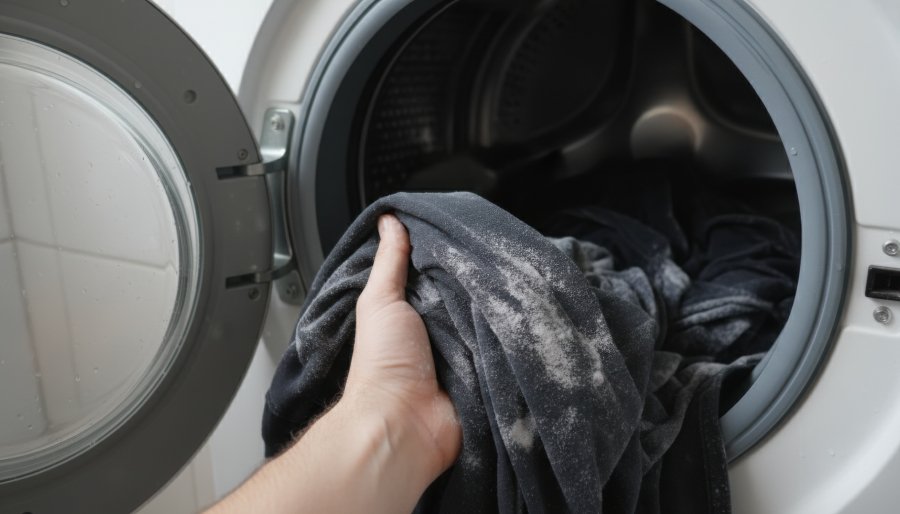
Laundry detergent is supposed to clean your clothes, not leave behind stains. But sometimes, even a simple wash can result in strange marks or sticky residue. If you’ve noticed this happening, you’re not alone. Many people deal with laundry detergent stains and don’t realize the cause until they’ve already dried the item.
This guide explains how to remove laundry detergent stains from clothes and how to keep it from happening again. We’ll also help you know when it’s time to rewash clothes or request help from a professional cleaning service like Hometown Cleaners.
What Do Detergent Stains Look Like?
Detergent stains can show up in a few different ways. Some look like faded spots. Others may feel stiff or greasy to the touch. If the fabric looks clean but feels odd in certain areas, you might be dealing with residue.
Watch for:
Blue or white streaks
Waxy film or rough patches
Dull or faded spots on dark clothes
Sticky areas that don’t fully dry
These marks are more noticeable on dark-colored clothing because the contrast makes streaks and film stand out. On black items, the stains may look chalky or dusty. On lighter fabrics, the signs are more subtle. The fabric might feel stiffer than usual, or it may have uneven texture when you run your hand over it.
Another sign is a change in how the fabric moves. Shirts or pants that used to drape naturally may suddenly feel stiff or cling to the body. That’s a hint that detergent hasn’t rinsed out fully.
If you notice an item smells like detergent even after drying, that can also signal residue. Clean clothes should smell neutral or lightly fresh—not strongly scented or “soapy.” A lingering scent without visible suds often means detergent buildup.
Why Do My Clothes Have Detergent Stains?
If you’ve been asking, “Why do my clothes have detergent stains?” the answer often comes down to how the detergent is being used.
Common causes include:
Using too much detergent in each load
Overloading the washing machine
Adding detergent directly onto clothes without water
Using low-quality or non-HE detergent in high-efficiency machines
Washing with cold water that doesn’t dissolve detergent fully
Many people assume more detergent means a better clean, but that’s rarely true. Excess detergent can create too many suds, which trap soil and residue in fabric instead of rinsing it away. Over time, this builds up and causes visible marks or stiff spots.
Overloading the washer also prevents proper rinsing. When clothes are packed too tightly, they can’t move freely, and water doesn’t reach every area evenly. This leaves detergent sitting on the fabric.
Water temperature plays a role too. Cold water saves energy, but some detergents don’t dissolve well unless the water is warm. This leads to clumping or streaks on clothing, especially when washing dark fabrics.
Even eco-friendly products can stain if used incorrectly. Natural soaps still contain active ingredients that need time, movement, and water to rinse out completely. Delicate items like silk, wool, or lace are especially sensitive to residue and often need special care.
How to Get Rid of Laundry Detergent Stains
If you catch the problem early, you can usually fix it at home. Most laundry detergent stains respond well to simple treatments, but timing matters. If the item has already been dried, the heat may have set the stain, making it harder to remove.
Here’s how to get rid of laundry detergent stains step by step:
1. Don’t put the item in the dryer
Avoid heat until the stain is completely gone. Dryers can lock in residue, making stains permanent. Always air-dry first when you're treating a stain.
2. Rinse with cold water
Turn the fabric inside out and run cold water through the back of the stain. This helps flush out the detergent instead of pushing it deeper into the fibers. Rub the fabric lightly to help break up the residue.
3. Use a vinegar and water mix
In a small bowl, mix one part white vinegar with two parts cool water. Soak the stained area for 15 minutes. Vinegar helps break down soap-based residue and works well on both liquid and powder detergent stains.
4. Scrub with a soft brush or cloth
After soaking, gently scrub the fabric with a soft brush or clean cloth. Focus on the stained area but avoid harsh pressure that could damage the fibers, especially on delicate items like silk or lace.
5. Rinse again and rewash
Rinse the fabric under cold water again, then run a short wash cycle. Use warm water this time and cut your detergent use in half. Avoid adding any fabric softener, which can trap residue.
6. Check before drying
After washing, inspect the fabric while it’s still wet. If the stain is gone, air-dry the item. If not, repeat the steps above or consider contacting a professional cleaning service.
Persistent detergent stains may need deeper treatment, especially on delicate or dark fabrics.
How to Avoid Detergent Stains on Clothes
The best fix is prevention. Knowing how to avoid detergent stains can save your favorite clothes from unnecessary damage. Follow these tips:
Use the right amount: More detergent doesn’t mean cleaner clothes. Check the label.
Pre-dissolve powder detergent: If you use powder, dissolve it in water before adding clothes.
Load the washer properly: Don’t overcrowd the drum. Clothes need space to rinse.
Use warm water when possible: Some detergents don’t dissolve well in cold water.
Choose quality detergent: Use HE detergent in high-efficiency machines.
Add detergent correctly: Pour it into the dispenser, not directly on clothes.
These habits help you avoid extra rinsing or the need to rewash clothes. They also extend the life of your fabrics.
What to Do if Laundry Detergent Stains Persist
Some stains don’t go away after one or two attempts. If laundry detergent stains stick around:
Try using a stain remover before rewashing
Soak in warm water with vinegar for 30 minutes
Switch to a different detergent brand
Check your washing machine for build-up or clogged dispensers
Persistent stains may also mean your washer needs maintenance. Mold or leftover detergent in the drum can transfer to clothes. Run a cleaning cycle or wipe down the drum with a vinegar-water mix.
If stains still appear, you may need help from a professional laundry service.
When to Rewash Clothes or Request a Professional Laundry Treatment
Sometimes, rewashing is enough. Other times, stains get worse with repeated washing. You’ll know it’s time for a different approach when:
You’ve tried vinegar and water with no results
The stain returns after each wash
The fabric feels damaged or stiff
The item is expensive, delicate, or sentimental
At this point, it’s better to trust professionals.
Hometown Cleaners offers:
Gentle, eco-safe treatment for detergent stains
Fabric-safe solutions for silk, wool, and other delicate materials
Pickup and delivery across Stuart, Sewalls Point, Palm City, Jensen Beach, and nearby areas
Our team uses non-toxic methods that protect your clothes and restore fabric softness. We also inspect for buildup or hidden residue that at-home treatments can miss.
Need help?
Contact us today or use our pickup form for free pick-up and delivery. You don’t need to deal with laundry detergent stains on your own.